Experiencing Bhutan's Festivals
Bhutanese festivals (tshechus) are among the most spectacular cultural events in the Himalayas. These sacred celebrations feature masked dances, traditional music, and entire communities coming together in colorful displays of devotion and joy.
What is a Tshechu?
A tshechu is an annual religious festival held in honor of Guru Rinpoche (Padmasambhava), who brought Buddhism to Bhutan in the 8th century. The word "tshechu" means "tenth day," referring to the tenth day of the lunar month when many festivals are held.
The Masked Dances
The heart of every tshechu is the cham—sacred masked dances performed by monks and laypeople. These aren't mere performances; they're considered a form of meditation and blessing.
Key Dances:
Dance of the Black Hats (Shana)
Monks in elaborate black hats perform this dance of subjugation of evil spirits.
Dance of the Terrifying Deities (Tungam)
Dancers wearing fierce deity masks representing protective spirits.
Dance of the Drums (Dramitse Nga Cham)
UNESCO-recognized dance featuring large drums and elaborate costumes.
Dance of the Stags and Hounds
Tells the story of the saint Milarepa's conversion of a hunter.
Major Festivals
Paro Tshechu (March/April)
Bhutan's most famous festival, held at Paro Dzong. Features the unfurling of a giant thongdrel (religious painting) at dawn.
Thimphu Tshechu (September/October)
The capital's biggest celebration, drawing huge crowds. Three days of dances at Tashichho Dzong.
Punakha Drubchen (February/March)
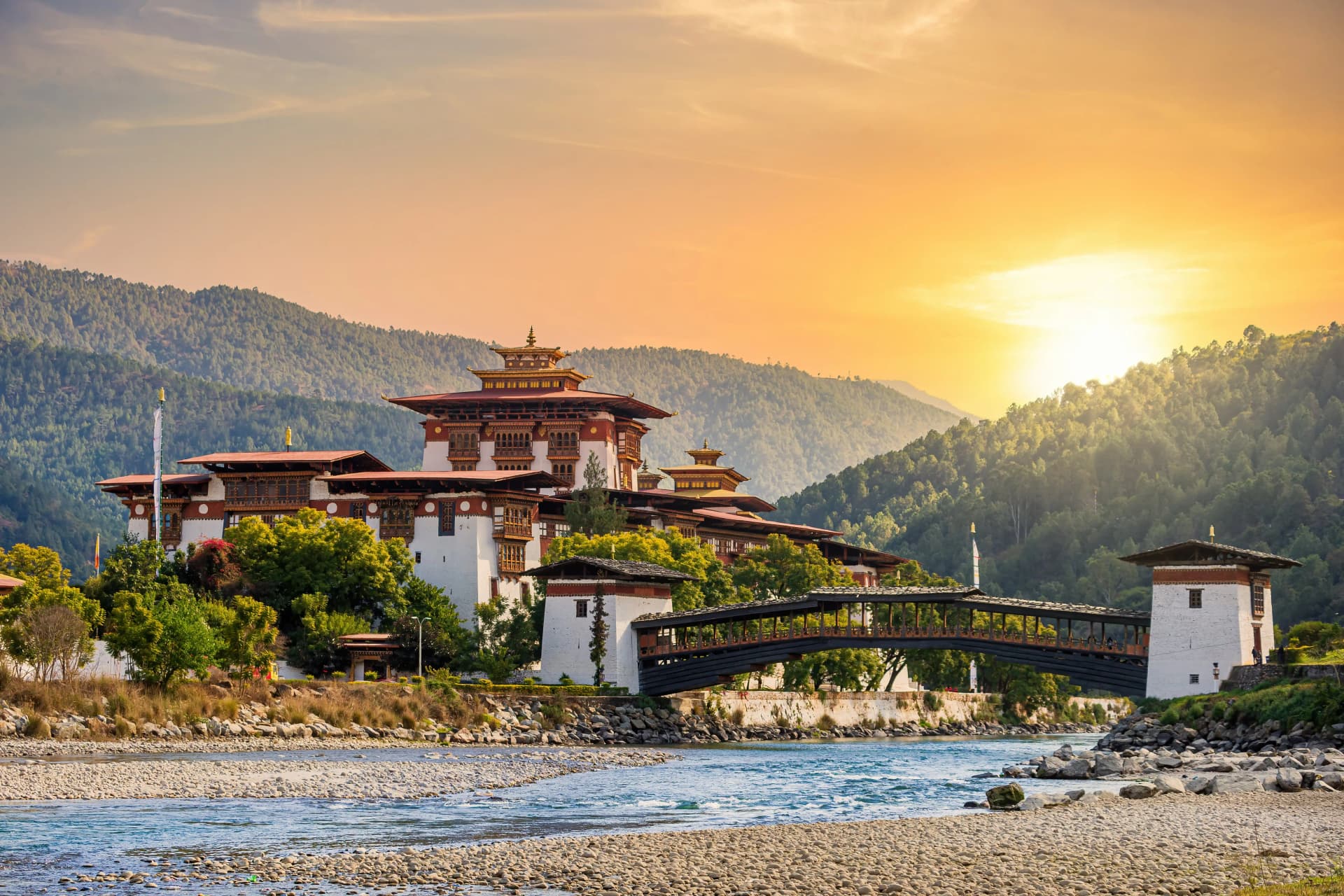
Features dramatic reenactments of 17th-century battles. Held at stunning Punakha Dzong.
Jambay Lhakhang Drup (October/November)
Famous for the "fire dance" and "naked dance" performed at night.
Wangdue Phodrang Tshechu (September/October)
Authentic rural festival with fewer tourists.
Festival Etiquette
Dress modestly:
- Cover shoulders and knees
- Traditional Bhutanese dress (gho/kira) is appreciated but not required
Behavior:
- Remove hats in temple areas
- Don't point feet toward altars
- Ask permission before photographing locals
- Move clockwise around religious structures
Photography:
- Photos of dances are generally allowed
- Don't use flash
- Be respectful and unobtrusive
- Never photograph during sacred moments when requested
Planning Your Festival Visit
Book early: Festival dates are popular. Book 4-6 months ahead for popular festivals like Paro Tshechu.
Expect crowds: Festivals are major community events. Embrace the energy!
Stay flexible: Schedules can shift. Your guide will help navigate.
Prepare for long days: Dances continue throughout the day. Bring snacks and water.
Festival Calendar
Festival dates follow the Bhutanese lunar calendar and change each year. View our complete festival calendar for upcoming dates.
Beyond the Dances
Festivals are about more than masked dances:
- Local food stalls selling traditional snacks
- Archery competitions (Bhutan's national sport)
- Community gatherings and socializing
- Local crafts and textiles on display
- Traditional music and singing
Our Festival Tours
We offer dedicated festival journey packages timed to Bhutan's major tshechus. These tours include:
- Prime viewing positions
- Cultural context from expert guides
- Meeting local families
- Behind-the-scenes access where possible
Ready to experience a Bhutanese festival? Contact us to start planning your journey.